Inclusion in football is not just about players
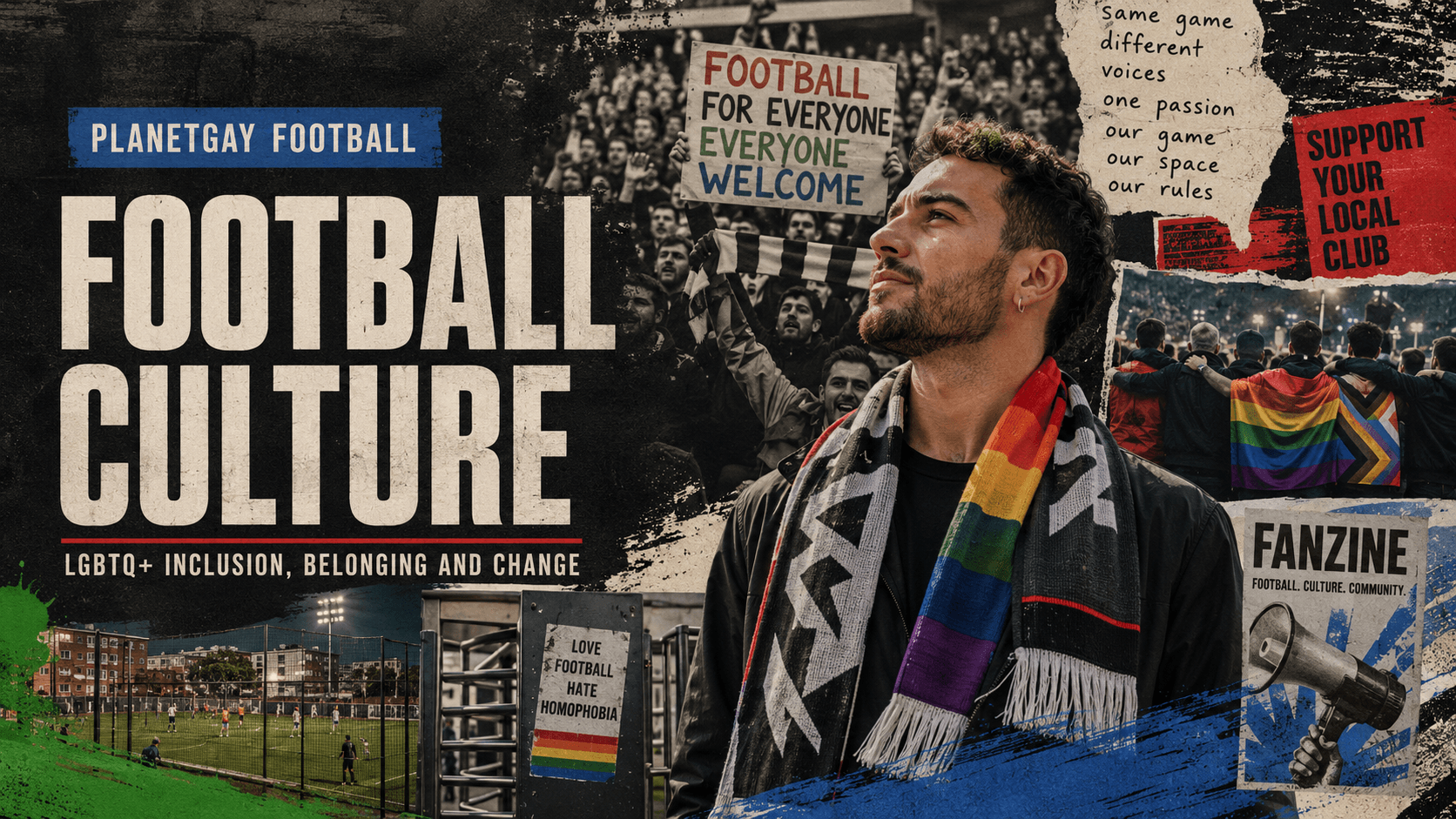
Discussions of LGBTQ+ inclusion in football tend to focus on players — who is openly gay, whether any World Cup player is out. But the institutional work of inclusion happens mostly through organisations, campaigns, managers and club administrators rather than individual players. This article focuses on that institutional and individual-ally dimension: the documented public commitments, campaigns and statements that are moving the game's culture.
A distinction matters here: being a supporter or ally of LGBTQ+ inclusion is different from being LGBTQ+. This article does not conflate the two. No one is described as LGBTQ+ here who has not publicly confirmed it themselves. People who have advocated publicly for inclusion are identified as allies and supporters, not given labels about their own identity.
Football v Homophobia
Football v Homophobia (FvH) is the leading international campaign organisation working on LGBTQ+ inclusion in football. Founded in 2009, it runs an annual Month of Action in February, which has grown to involve thousands of clubs, fans, referees and players across more than 40 countries. FvH works with clubs, national associations and UEFA on inclusion training and policy development.
The organisation's annual Month of Action involves visible actions at matches — rainbow flags, armbands, specific inclusion messaging — and is probably the single most visible LGBTQ+ inclusion initiative in football globally. FvH also produces research on the experience of LGBTQ+ fans and players, which has documented specific barriers to disclosure in men's football.
Football v Homophobia does not work primarily through celebrity endorsement; it works through systemic campaigns that involve thousands of participants across the football pyramid. Its website (footballvhomophobia.com) documents the scale and scope of this work.
Kick It Out and Rainbow Laces
Kick It Out is England's football equality organisation, working across the professional and amateur game on discrimination including on the basis of sexual orientation and gender identity. The Rainbow Laces campaign, which Kick It Out delivers in partnership with Stonewall, has been running in English football since 2013. Each November/December, players, referees, managers and clubs publicly demonstrate support for LGBTQ+ inclusion by wearing rainbow-coloured laces, armbands or badges, and by displaying rainbow-flagged corner flags at grounds.
Rainbow Laces is notable because of its scale of participation: the campaign has involved players from all levels of the professional game in England, including the Premier League. The campaign's visibility means it has reached millions of football fans annually with a normalising message about LGBTQ+ inclusion. Kick It Out and Stonewall both publish annual summaries of participation.
Participation in Rainbow Laces means a player or manager has publicly demonstrated support for LGBTQ+ inclusion in football. It does not indicate anything about their own identity, and these articles do not suggest it does.
FIFA's official position and the 2026 context
FIFA's official statutes and disciplinary code prohibit discrimination on the basis of sexual orientation. The FIFA Human Rights Policy, updated in 2017, commits the organisation to protecting human rights including the rights of LGBTQ+ people across its operations and events.
At the 2022 World Cup in Qatar, several European national teams wore OneLove armbands as a visible signal of LGBTQ+ support, before FIFA indicated that the captains who wore them might face sporting sanctions. The teams ultimately did not wear the armbands in matches. This episode illustrated the tension between national association inclusion commitments and FIFA's enforcement of rules around political messaging at matches.
The 2026 tournament context is different in a significant respect: all three host countries have robust national legal protections for same-sex relationships, and there is no conflict between host-country law and LGBTQ+ rights in the way that characterised the 2022 Qatar context. FIFA's formal position at the 2026 tournament is that anti-discrimination provisions, including on sexual orientation, apply at all venues.
Inclusion work at club level
Many clubs across the professional game have developed LGBTQ+ inclusion programmes that go beyond annual campaigns. Some have established LGBTQ+ fan groups as formal affiliates or supporter trusts. Some have LGBTQ+ inclusion officers or work with local LGBTQ+ organisations on fan welcoming. The first openly gay player to come out in English football as an active professional (Justin Fashanu, 1990) was not supported by his club; Jake Daniels's coming out in 2022 was managed with club support and was a quite different experience — the difference is partly a measure of change at club level.
For fans looking to connect with organised LGBTQ+ supporters' groups, Football Supporters Europe and national-level organisations maintain information about LGBTQ+ fan groups affiliated with professional clubs. In the UK, many clubs have affiliated LGBTQ+ supporter groups.
What progress looks like — and what it doesn't
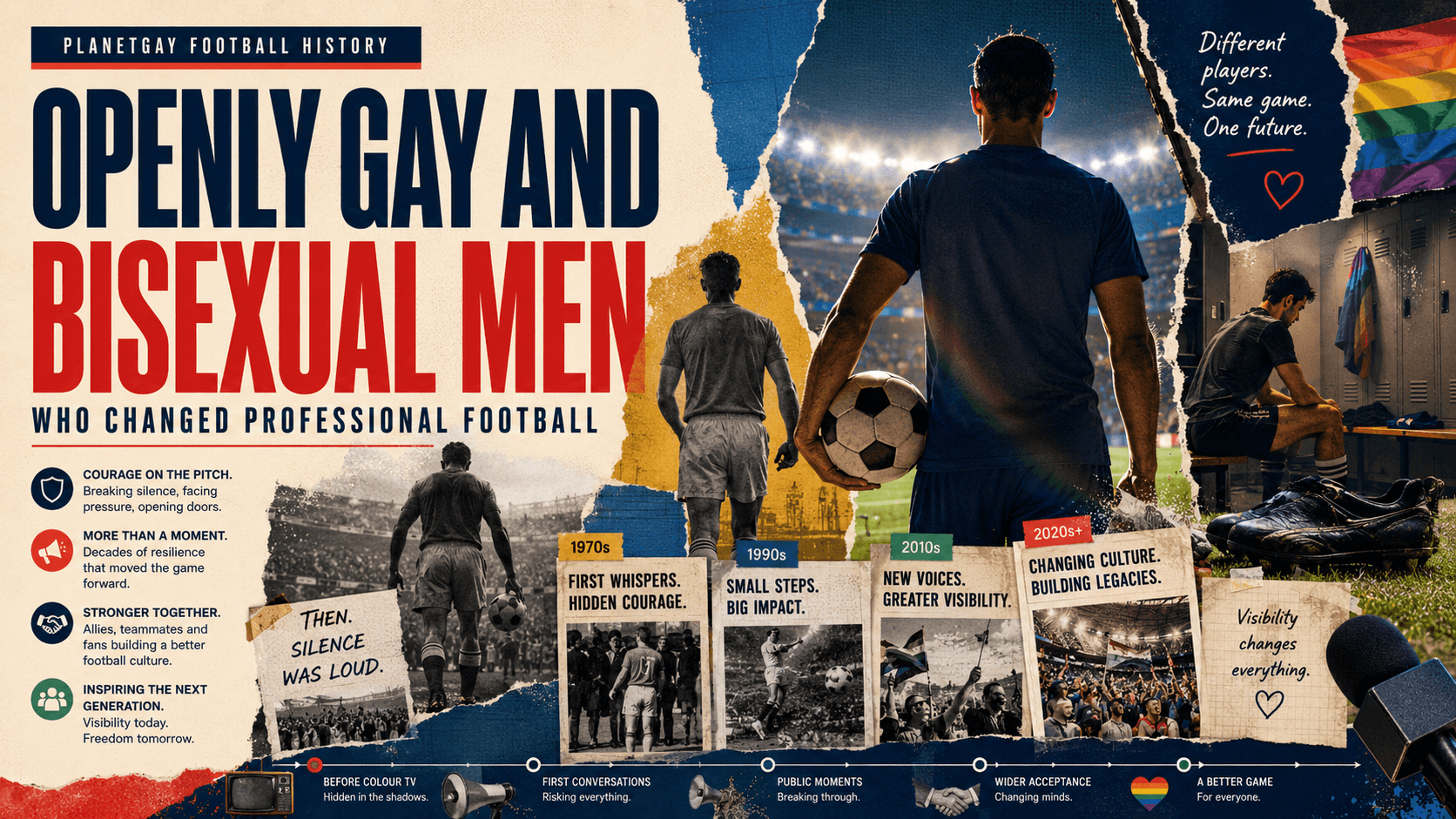
Progress in LGBTQ+ inclusion in men's football is real and documentable: more players have come out in the last five years than in the preceding twenty; more clubs have formal inclusion programmes; more campaigns reach more fans. The treatment of Jake Daniels in 2022 compared with the treatment of Justin Fashanu in 1990 is the clearest single illustration of how public culture has changed.
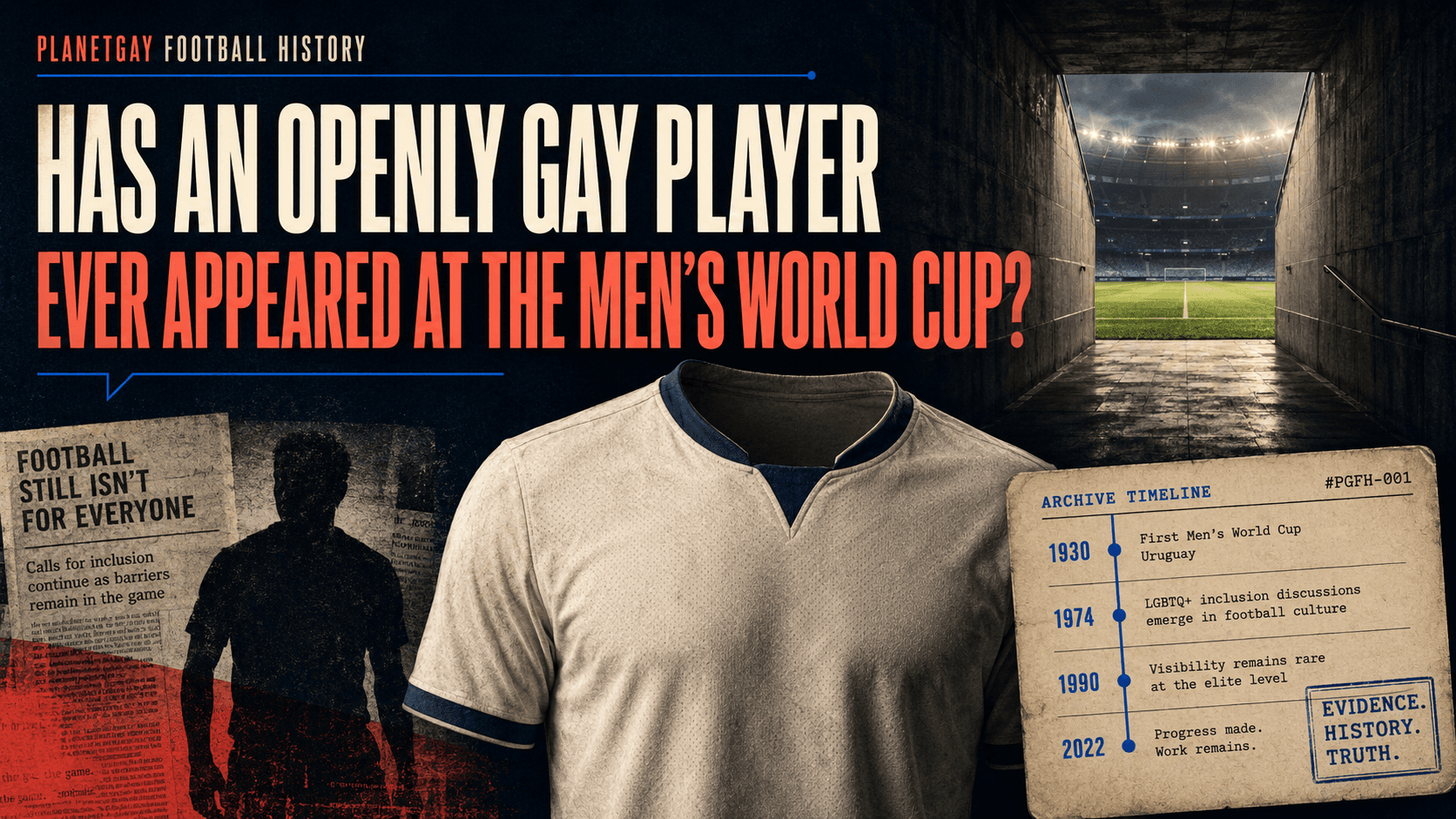
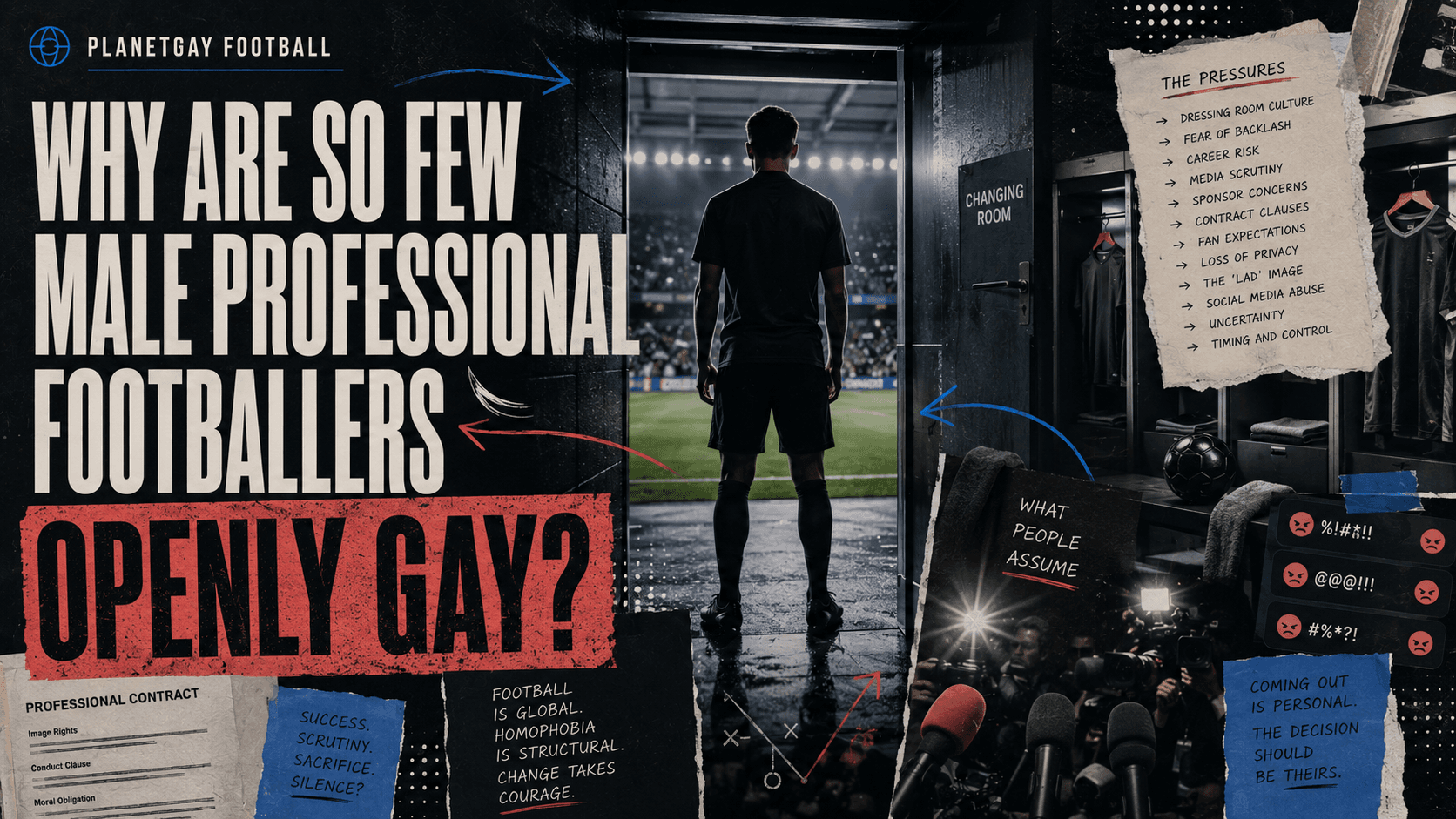
What progress does not look like is a complete resolution. No openly gay player is participating in the 2026 World Cup. The conditions that make disclosure a professional and personal risk for elite-level men's players have not disappeared; they have become somewhat less severe. The difference between visible support in November (Rainbow Laces) and the day-to-day culture of dressing rooms in the rest of the year is something organisations working in this space continue to identify as significant.
The honest picture is one of genuine, meaningful change that is incomplete. That is a more useful framing for readers than either 'football has fixed homophobia' or 'nothing has changed'.