How to use this guide
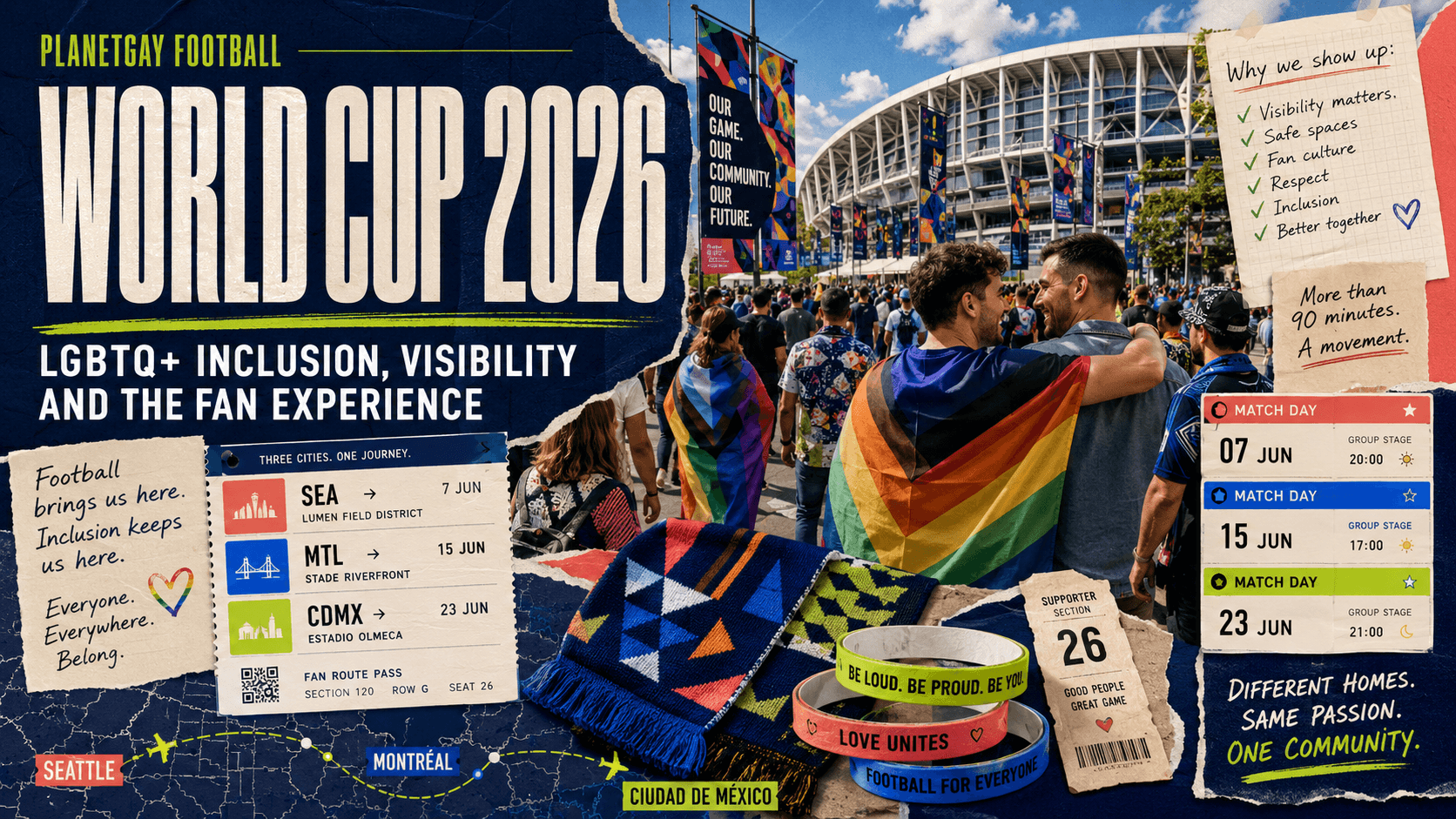
This guide provides a practical LGBTQ+ overview of each city hosting 2026 World Cup matches. The 16 cities span three countries with varying regional contexts. The legal framework in all three host countries protects same-sex relationships at the national level — this guide focuses on the practical differences between cities in terms of community visibility, neighbourhood context and specific notes for LGBTQ+ fans attending matches.
For full detail on specific cities, see the separate city guides listed in the related articles section. This guide is an overview intended to help with match planning and city selection. Venue and community details can change; verify current conditions through local LGBTQ+ organisations and official tourism resources before travel.
United States host cities
**New York / New Jersey (MetLife Stadium, East Rutherford NJ):** New York has one of the world's largest and most established LGBTQ+ communities. Hell's Kitchen, the West Village and Christopher Street have the most concentrated LGBTQ+ venues; the borough of Queens, particularly Jackson Heights, has a significant LGBTQ+ Latino community. The city has strong anti-discrimination protections under city, state and federal law. Same-sex couples in New York City are unremarkable in most public contexts. The stadium is in New Jersey across the Hudson River; the city itself is where most visitors will stay and socialise.
**Los Angeles (SoFi Stadium, Inglewood):** West Hollywood, directly adjacent to Los Angeles, is an independently incorporated city with one of the most visible LGBTQ+ communities in the US. Silver Lake and Eagle Rock also have significant LGBTQ+ populations. LA has strong anti-discrimination protections. The stadium is in Inglewood, south of the main city; most visitors will stay in central LA or West Hollywood.
**San Francisco / Bay Area (Levi's Stadium, Santa Clara):** San Francisco's Castro neighbourhood is one of the most historically significant LGBTQ+ communities in the world. The city has long been a centre of LGBTQ+ rights advocacy and culture. The stadium is in Santa Clara in the Bay Area; San Francisco itself is the base for most visitors.
**Seattle (Lumen Field, downtown):** Capitol Hill is Seattle's established LGBTQ+ neighbourhood, with a visible community and active Pride events. The stadium is in downtown Seattle, convenient to Capitol Hill.
**Dallas / Arlington (AT&T Stadium, Arlington):** The Oak Lawn neighbourhood in Dallas has an established LGBTQ+ community. Dallas is a large, spread-out city; Arlington (where the stadium is) is a separate suburban city with limited walkable city centre.
**Houston (NRG Stadium):** Houston's Montrose neighbourhood is the established LGBTQ+ area. Houston elected one of the first openly gay big-city mayors in the US (Annise Parker, 2009–2015) and has active LGBTQ+ community organisations.
**Miami (Hard Rock Stadium, Miami Gardens):** South Beach and Wilton Manors (near Fort Lauderdale, accessible from Miami) are major LGBTQ+ areas. Miami is a large, tourist-oriented city with generally welcoming attitudes in major areas. The stadium is north of Miami in Miami Gardens.
**Atlanta (Mercedes-Benz Stadium, downtown):** Atlanta has an established LGBTQ+ community particularly in Midtown and Old Fourth Ward. Georgia's state-level legal context has been variable on some LGBTQ+ issues — federal protections apply; check current state context.
**Philadelphia (Lincoln Financial Field):** Philadelphia has an established LGBTQ+ community in the Gayborhood (Washington Square West). The city has strong anti-discrimination ordinances. The stadium is in south Philadelphia.
**Boston / Foxborough (Gillette Stadium, Foxborough):** Boston has a significant LGBTQ+ community particularly in the South End and Jamaica Plain. Massachusetts has been a leader in LGBTQ+ rights including being the first US state to legalise same-sex marriage (2004). The stadium is in Foxborough, about 30 miles south of Boston.
**Kansas City (Arrowhead Stadium):** Kansas City spans Missouri and Kansas. The 39th Street area has an LGBTQ+ community. Context is more conservative than coastal cities — federal protections apply.
Canadian host cities
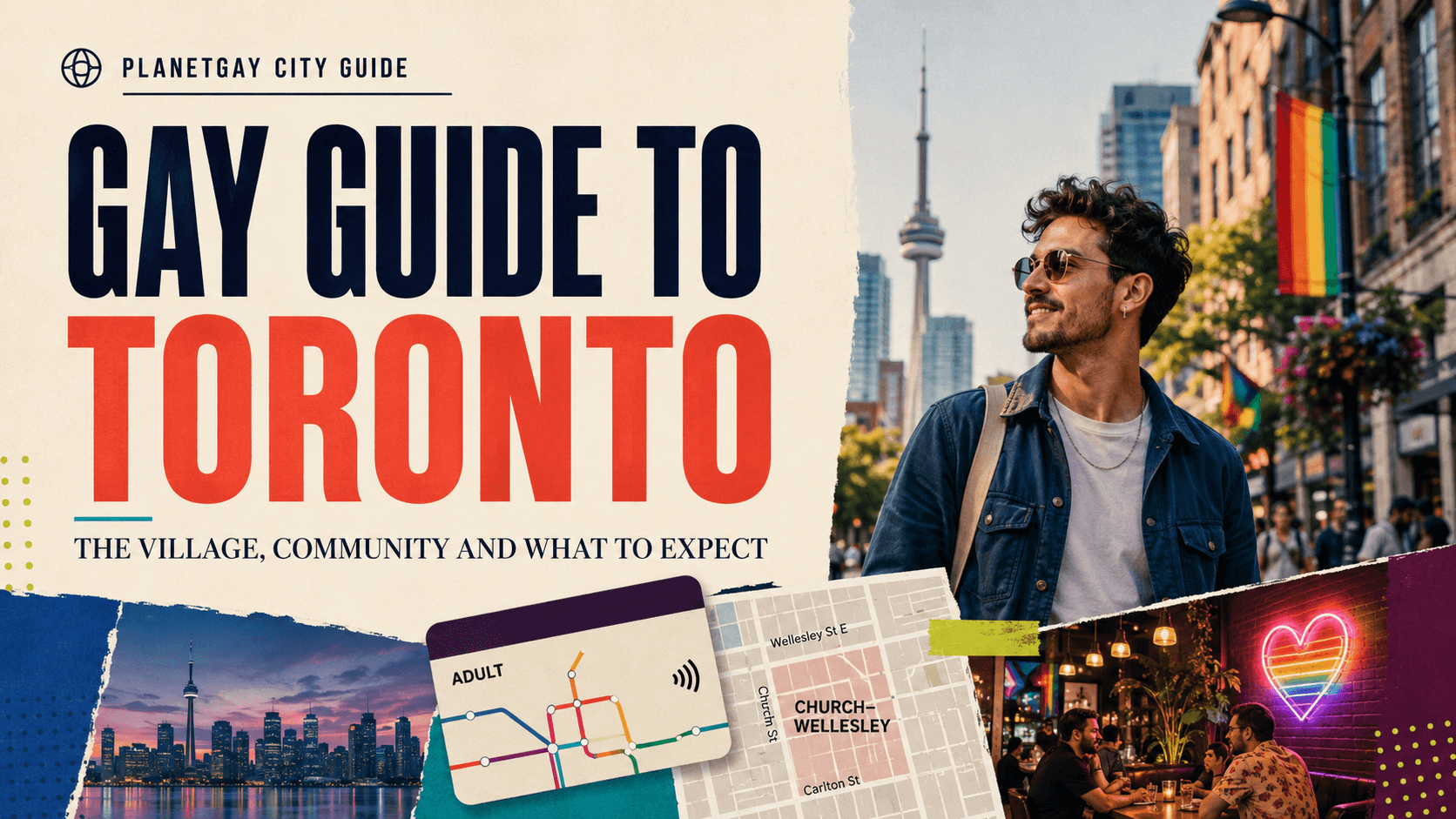
**Toronto (BMO Field):** Toronto's Church and Wellesley Village is the established LGBTQ+ neighbourhood. Toronto has one of the largest Pride celebrations in the world. See the PlanetGay gay guide to Toronto for full detail. Strong federal and Ontario provincial protections apply. The stadium is in downtown Toronto.
**Vancouver (BC Place, downtown):** Davie Village in the West End is Vancouver's LGBTQ+ neighbourhood, with bars, community organisations and a visible public presence. Vancouver Pride is a major annual event. British Columbia has strong provincial LGBTQ+ protections in addition to federal law. The stadium is in downtown Vancouver, walkable from the West End.
Mexican host cities
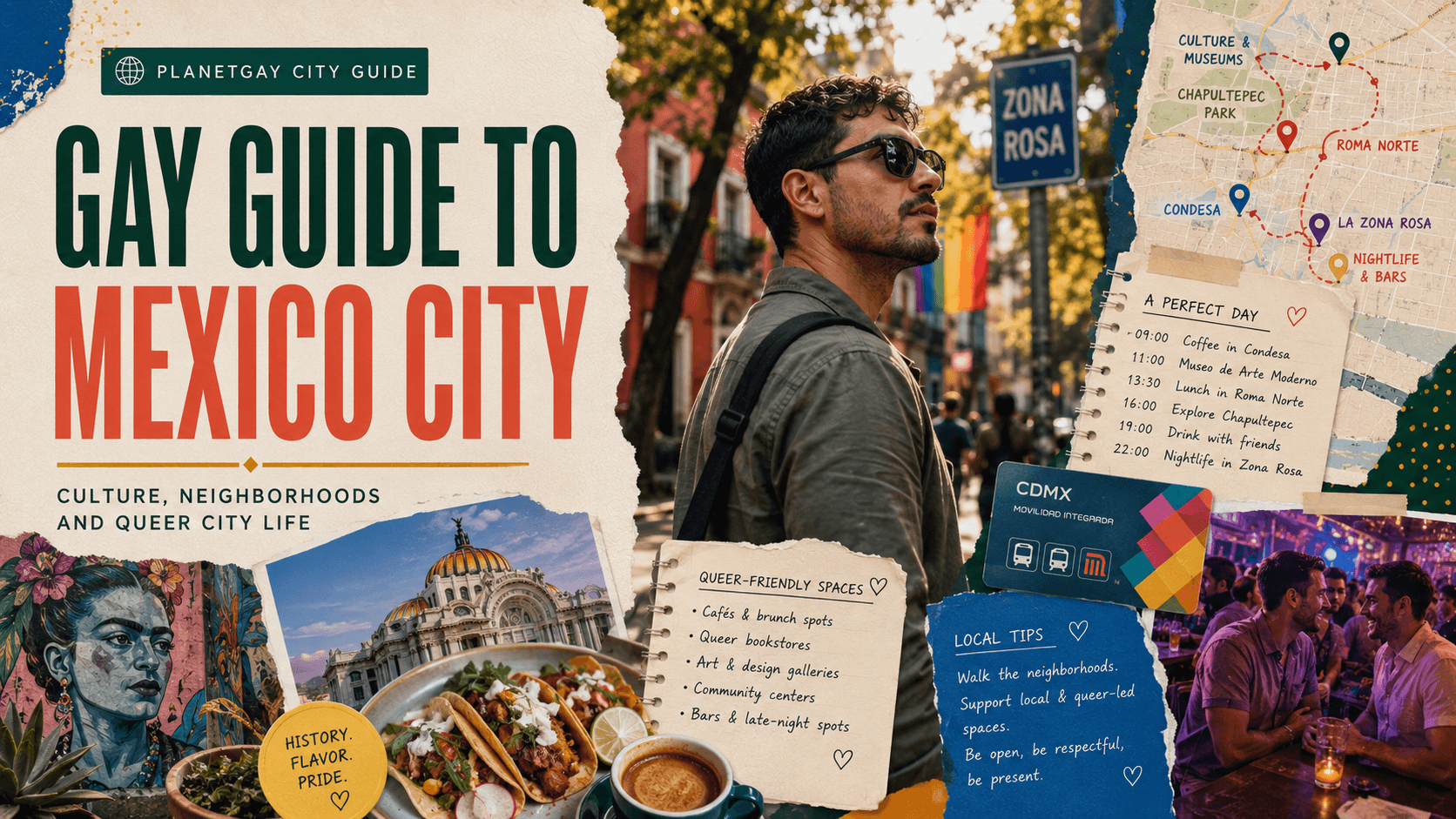
**Mexico City (Estadio Azteca and other venues):** Mexico City has one of the most established LGBTQ+ communities in Latin America. The Zona Rosa neighbourhood is the centre of LGBTQ+ life, with visible bars, cafes and community spaces. Mexico City has had specific LGBTQ+ protections since 2000 and was among the first Latin American cities to introduce same-sex civil unions. The city's Pride march is one of the largest in Latin America. See the PlanetGay gay guide to Mexico City for detail. Mexico City's LGBTQ+ life is publicly visible and well-established; it is among the most LGBTQ+-welcoming cities in Latin America.
**Guadalajara (Estadio Akron):** Guadalajara is Mexico's second-largest city and has a growing LGBTQ+ community, particularly in the Chapultepec neighbourhood. The city has Pride events and some LGBTQ+ venues and organisations. The context is more conservative than Mexico City but less so than some other Mexican cities. Same-sex marriage is legal; consult local LGBTQ+ organisations for current social context.
**Monterrey (Estadio BBVA):** Monterrey is in the northern state of Nuevo León. It has an LGBTQ+ community but is generally more socially conservative than Mexico City or Guadalajara. Same-sex marriage is legal (applicable nationwide). For LGBTQ+ fans, being aware of the more conservative social context and connecting with local LGBTQ+ organisations before travel is recommended.
Practical planning notes for all cities
In all 16 host cities, same-sex relationships are legally protected, and LGBTQ+ fans are entitled to attend matches and events without facing discrimination under FIFA's anti-discrimination framework.
Practical differences between cities are primarily about social visibility, the density of LGBTQ+ community infrastructure, and in the Mexican cities, more variation in local social attitudes. None of the host cities should be treated as actively hostile, and legal protection is universal across the three host countries.
For any city where your situation is less certain, the most reliable approach is to connect with local LGBTQ+ organisations before travel, research current conditions through community sources, and know the reporting mechanisms at your match venue in advance.
The IGLTA (iglta.org) directory provides LGBTQ+-friendly accommodation listings for most of these cities. Official tourism boards for each city also typically provide visitor information.