Overview
Mexico City — officially Ciudad de México (CDMX) — is the capital and largest city of Mexico and one of the most LGBTQ+-inclusive cities in Latin America. Mexico City has recognised same-sex civil unions since 2007 and same-sex marriage since 2010, making it a pioneer in the region. The city has comprehensive anti-discrimination protections covering sexual orientation and gender identity and an active, visible LGBTQ+ community.
Mexico City hosts one of the largest Pride events in Latin America — Marcha del Orgullo LGBT — typically held in late June, drawing hundreds of thousands of participants. The Zona Rosa neighbourhood is the established LGBTQ+ centre of the city.
Important context: while Mexico City itself has strong LGBTQ+ protections, the legal situation and social context varies significantly across Mexico's 31 states. Mexico City should not be taken as representative of the country as a whole. Same-sex marriage is now legal across all of Mexico following Supreme Court rulings, but social attitudes vary by region.
Legal rights
**Same-sex marriage:** Legal in Mexico City since 2010. Legal nationwide following the Mexican Supreme Court's 2015 jurisprudential thesis, though individual state laws were updated at different rates. As of 2024, same-sex marriage is legally accessible in all Mexican states.
**Anti-discrimination:** Mexico City has comprehensive anti-discrimination legislation covering employment, housing and services. The Consejo para Prevenir y Eliminar la Discriminación de la Ciudad de México (COPRED) is the city's anti-discrimination body.
**Adoption:** Same-sex couples in Mexico City can legally adopt.
**LGBTQ+ identity documents:** Mexico City allows gender marker changes on identity documents without surgery requirements.
Note: legal rights information should always be verified against current official sources. Contact COPRED or the ILGA World database for current, authoritative information.
Zona Rosa and LGBTQ+ neighbourhoods
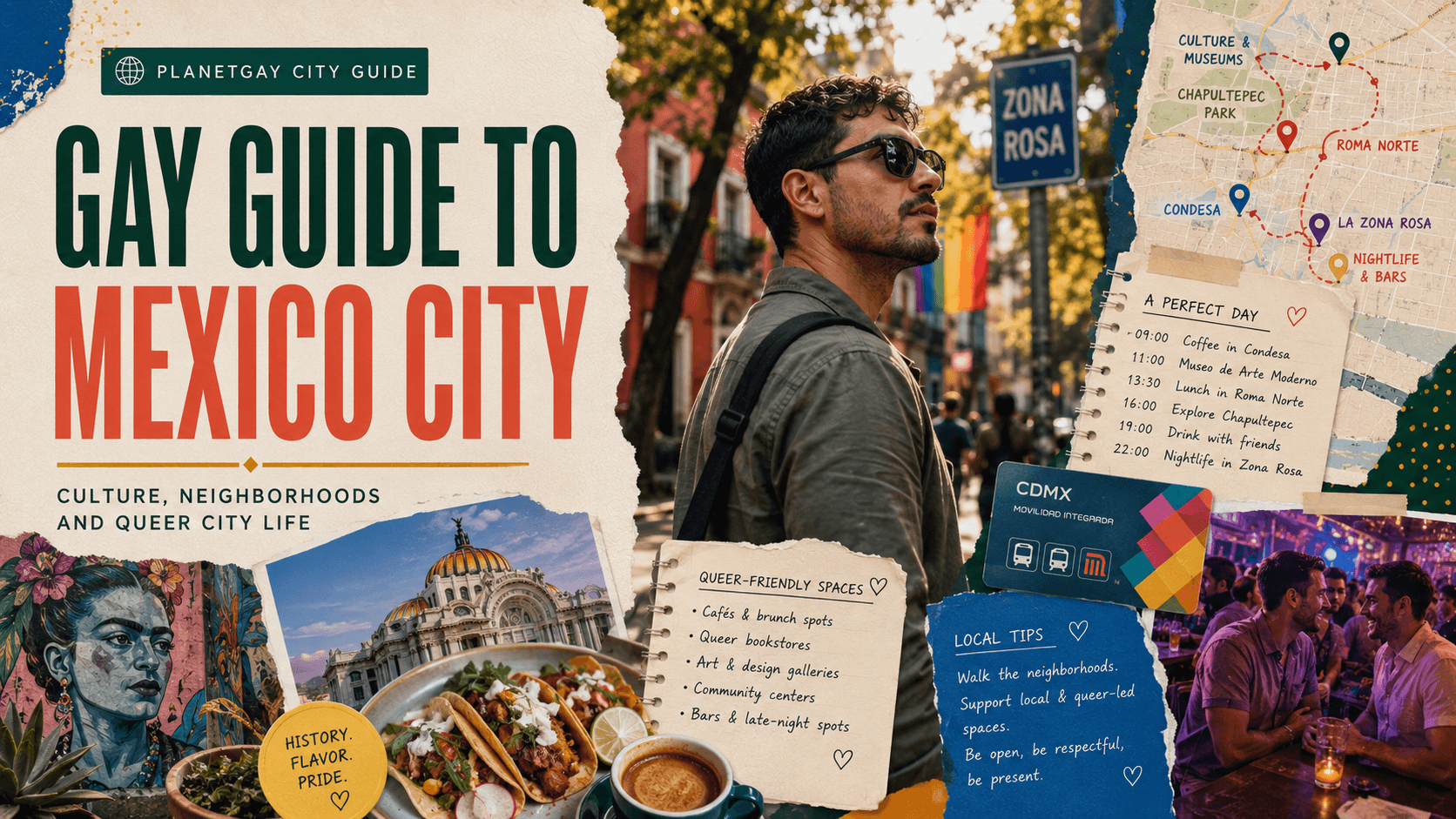
The Zona Rosa (Pink Zone) is Mexico City's established LGBTQ+ neighbourhood, located in the Cuauhtémoc borough. The neighbourhood has historically been the centre of Mexico City's gay social scene and continues to be the main concentration of LGBTQ+-oriented venues, businesses and community spaces.
Zona Rosa is easily accessible and well-connected to other parts of the city. The neighbourhood has a visible LGBTQ+ presence and is generally a safe and welcoming environment for LGBTQ+ visitors during the day and evening.
Beyond Zona Rosa, Mexico City's LGBTQ+ community is distributed across the city, with significant concentrations in Condesa, Roma Norte and Polanco. These neighbourhoods are not specifically LGBTQ+ oriented but are generally socially progressive, cosmopolitan areas where LGBTQ+ visibility is common.
Note: specific venue recommendations are not included in this guide as they can change rapidly. Local LGBTQ+ community organisations and current travel resources from LGBTQ+ travellers are the most reliable sources for current venue information.
Pride and LGBTQ+ events
Mexico City's Marcha del Orgullo LGBT (LGBTQ+ Pride March) takes place annually, typically on the last Saturday of June, coinciding with the international Pride calendar. The march is one of the largest in Latin America and draws hundreds of thousands of participants and spectators.
The march follows a route through central Mexico City — verify the specific route and timing through official Pride Mexico City communications or local LGBTQ+ media in advance of travel.
Beyond the annual march, Mexico City has a year-round LGBTQ+ events calendar including cultural events, community gatherings, film festivals, and community health events. The city's LGBTQ+ community organisations are active year-round.
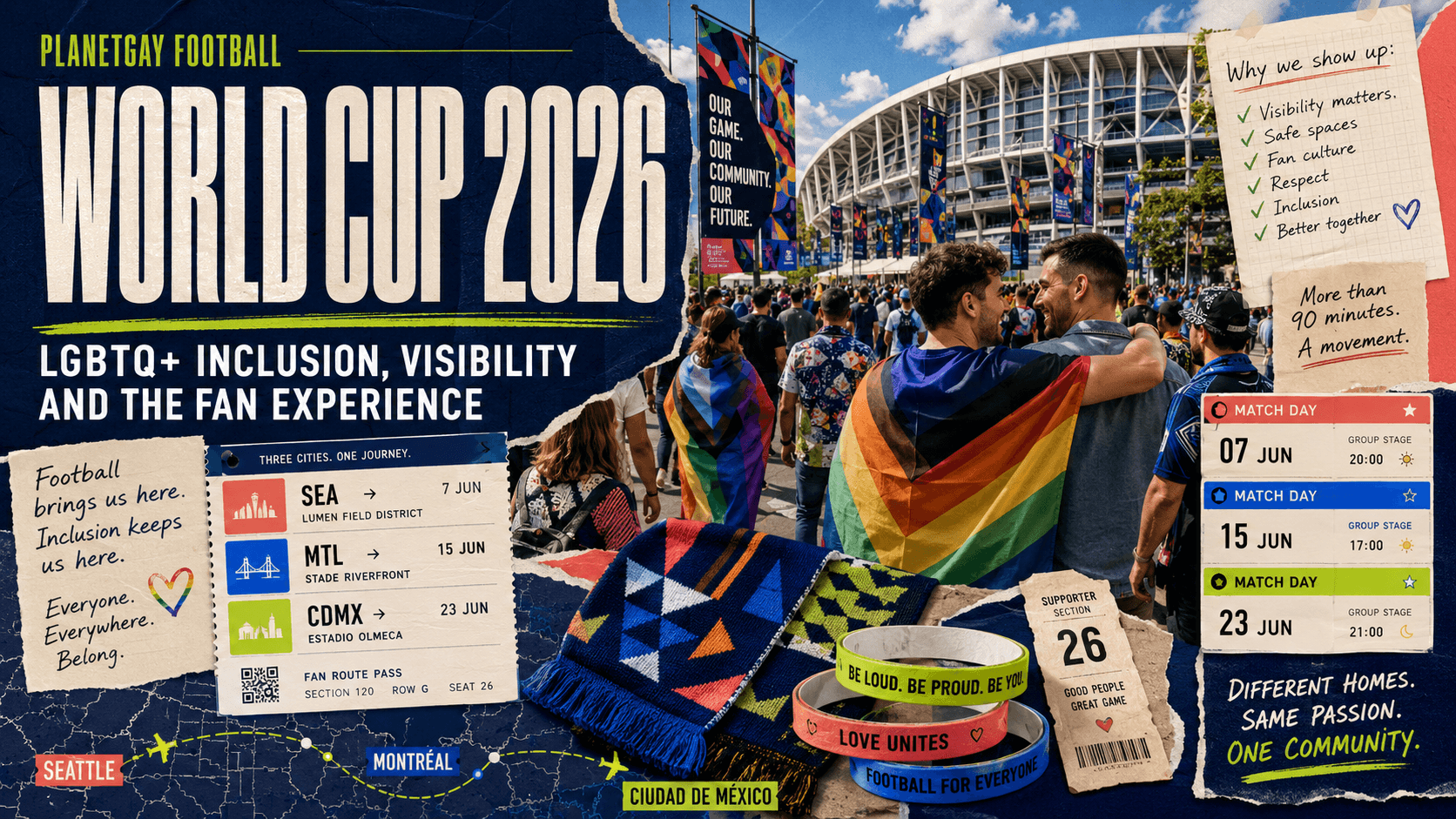
**2026 World Cup note:** Mexico City is one of three Mexican 2026 FIFA World Cup host cities, hosting matches at the Estadio Azteca. For LGBTQ+ fans attending World Cup matches in Mexico City, the city's LGBTQ+ scene and legal context are broadly welcoming, and Mexico as a host country has same-sex marriage nationwide. See our LGBTQ+ fans guide to the 2026 World Cup for travel preparation.
Health services
Mexico City has sexual health services that specifically serve LGBTQ+ communities. The CAPASITS (Centros Ambulatorios para la Prevención y Atención en SIDA e Infecciones de Transmisión Sexual) clinics provide HIV testing, treatment and STI services, and are the main public-sector HIV/AIDS healthcare facilities.
PrEP (pre-exposure prophylaxis) availability has expanded in Mexico City through both public health programmes and private clinics. Access through the public system can be variable — current information about access should be verified through local LGBTQ+ health organisations.
For visitors requiring healthcare, most international-standard private hospitals in Mexico City will have staff who speak English and are equipped to provide care without discrimination. Travel insurance covering healthcare in Mexico is strongly recommended.
Practical safety
Mexico City is a very large city, and personal safety considerations that apply to any large urban environment apply here. LGBTQ+ visitors should be aware of the following:
**General urban safety:** Mexico City is a large metropolitan area. Standard urban safety practices — awareness of your surroundings, securing valuables, avoiding poorly lit areas at night — apply.
**Zona Rosa:** The neighbourhood is generally considered safe for LGBTQ+ visitors, particularly in the main commercial areas. Exercise normal urban caution in the evening.
**Visible LGBTQ+ expression:** In the Zona Rosa, Condesa, Roma and Polanco, visible LGBTQ+ expression is broadly accepted. In more conservative neighbourhoods or smaller towns outside the city, social attitudes may be different.
**Transport:** Use established taxi or ride-sharing platforms rather than hailing taxis on the street. Uber and similar platforms operate in Mexico City and provide a trackable, documented journey.
**Documentation:** Carry a photocopy of your passport rather than the original when exploring. Keep your original documentation secure at your accommodation.
For current safety information and travel advisories, consult your country's official travel advisory for Mexico.