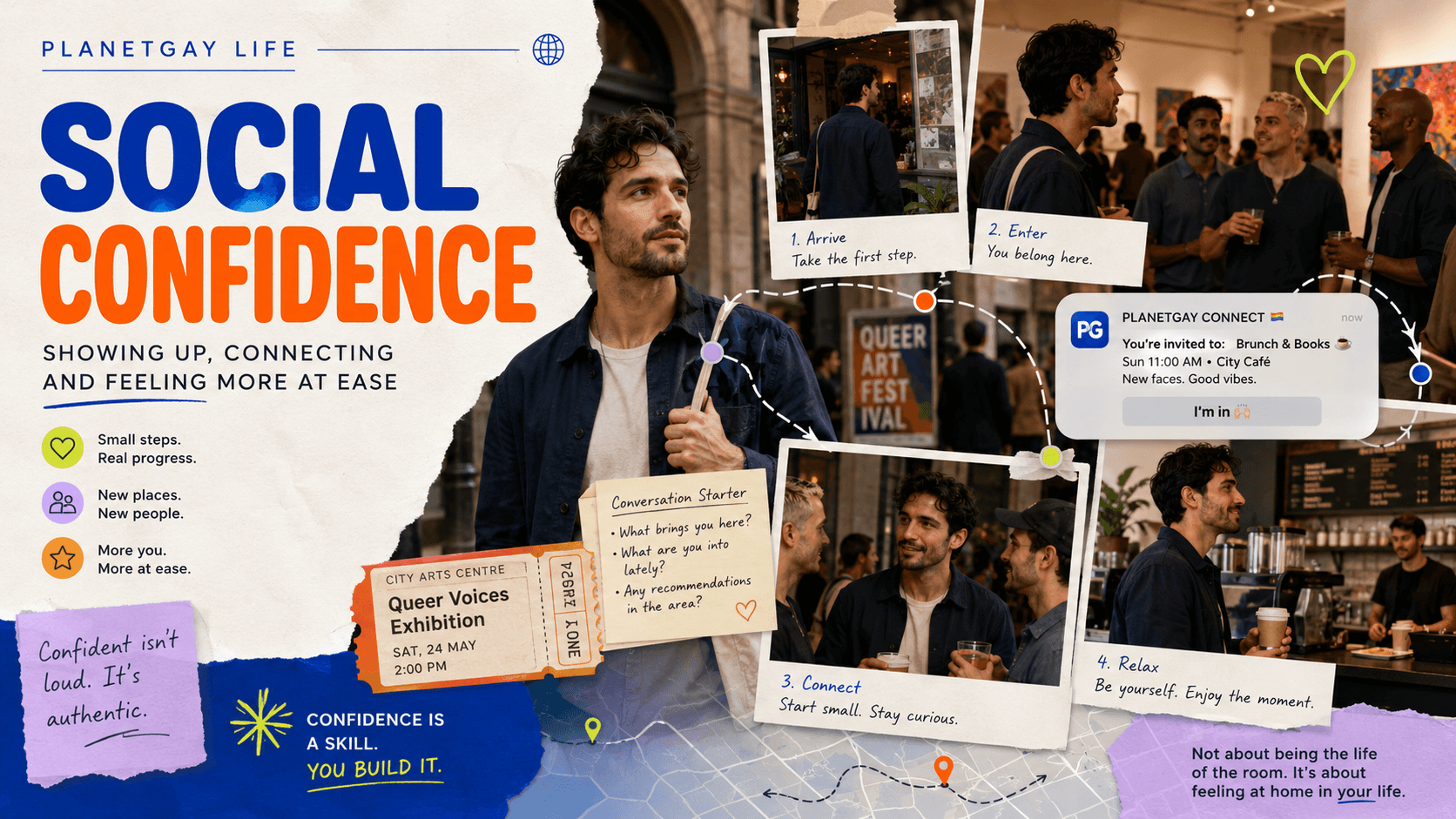
Apps, in-person and the confidence gap
Many gay men have more experience of connecting with others through dating apps than through in-person social contexts. The confidence skills these develop are different and do not always transfer.
Apps allow significant editing and control of self-presentation. In-person socialising requires dealing with real-time feedback, physical presence and much less control over how you appear. Moving between the two contexts requires acknowledging that you may be more skilled in one than the other — and that is not a failing, it is an accurate description of where you have practised.
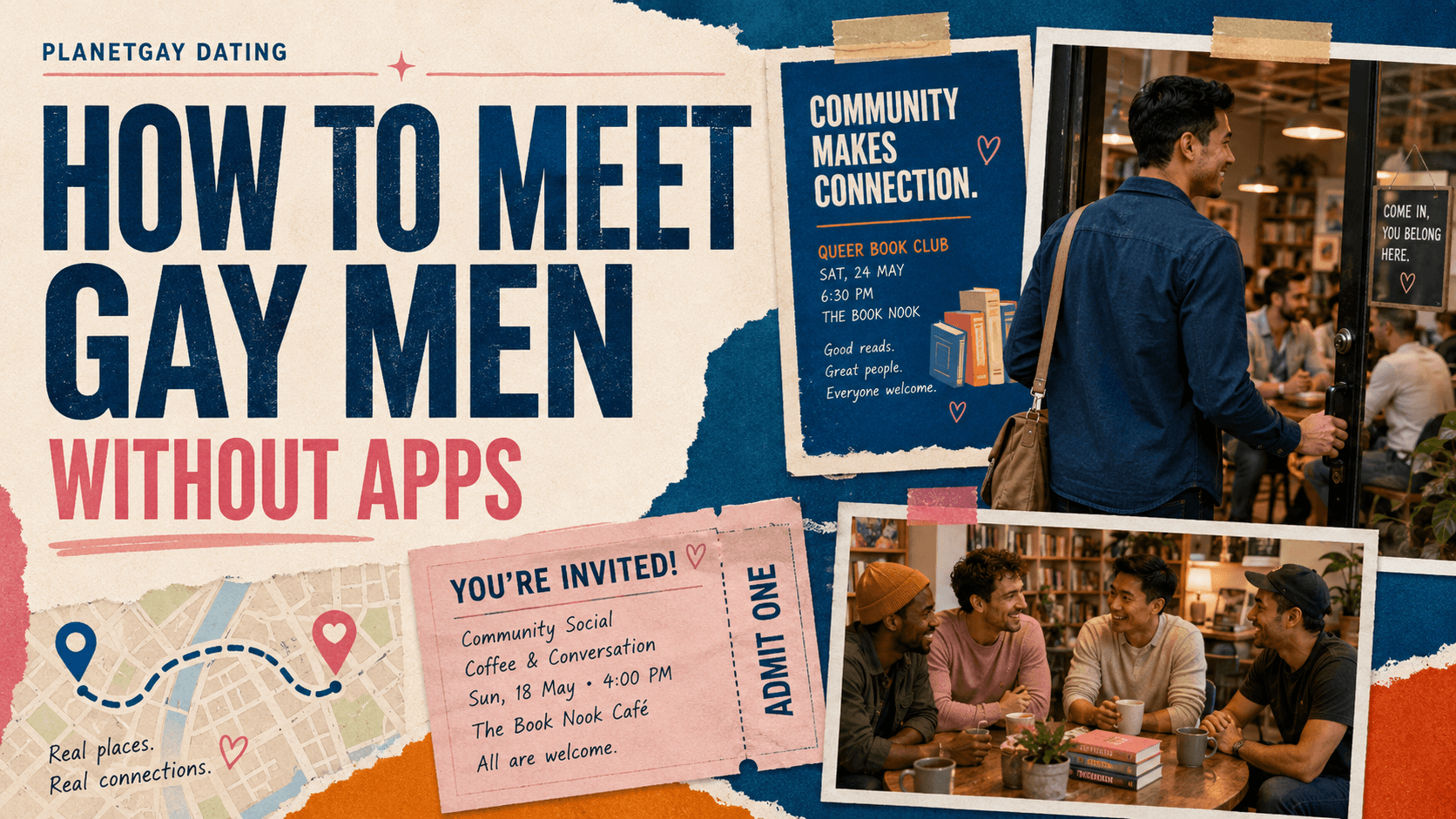
In-person social confidence develops in in-person social settings. If you find that you are highly functional in app-mediated contact but struggle with face-to-face socialising, that is a clear signal about where practice is needed — not a sign of a fundamental social deficit.
Social anxiety versus low confidence
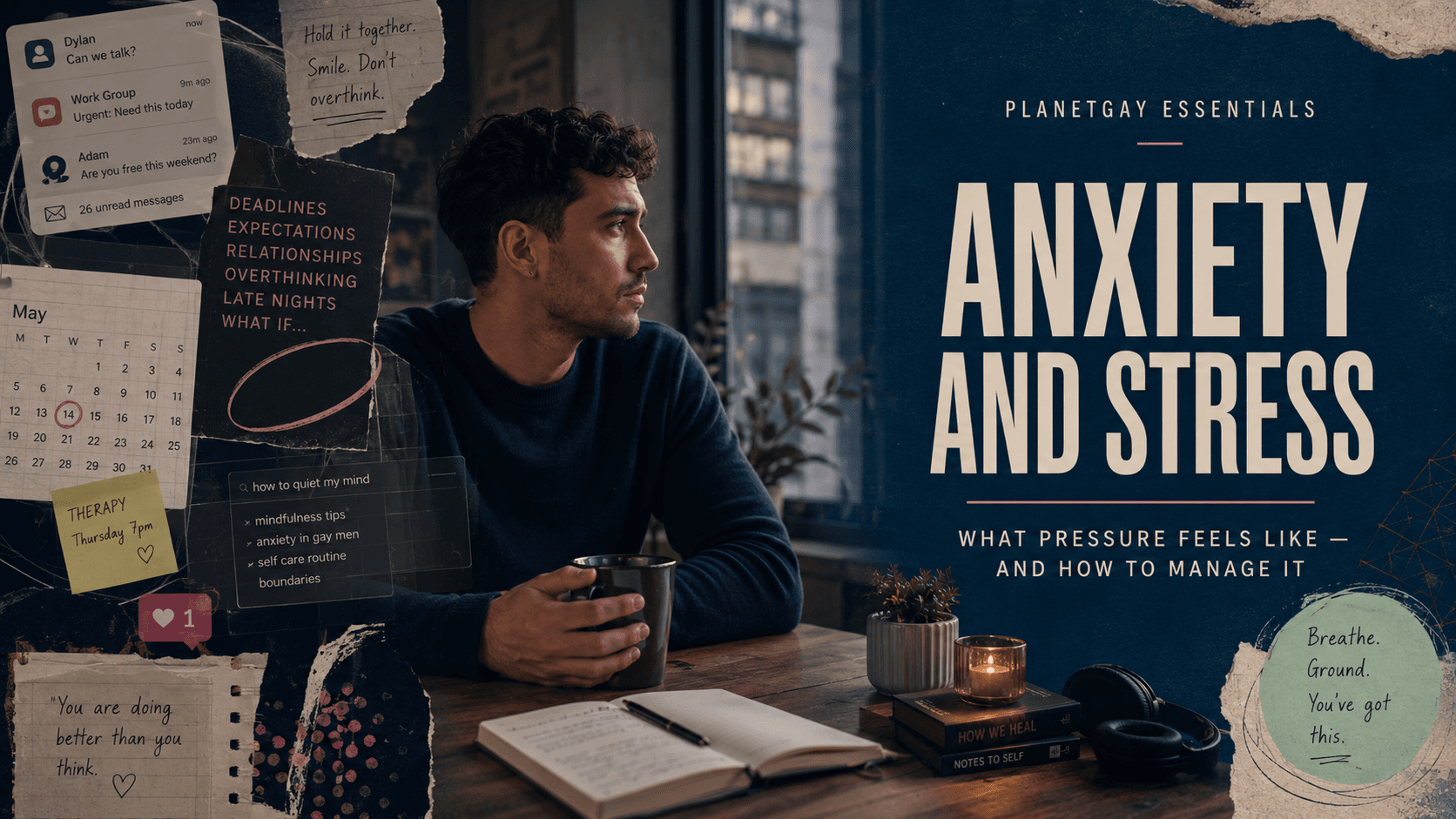
Low social confidence and social anxiety are related but different. Low confidence is primarily about limited positive social experience and skills. Social anxiety involves fear responses that are disproportionate to the social situation — heart rate increase, avoidance, catastrophic anticipation of negative outcomes.
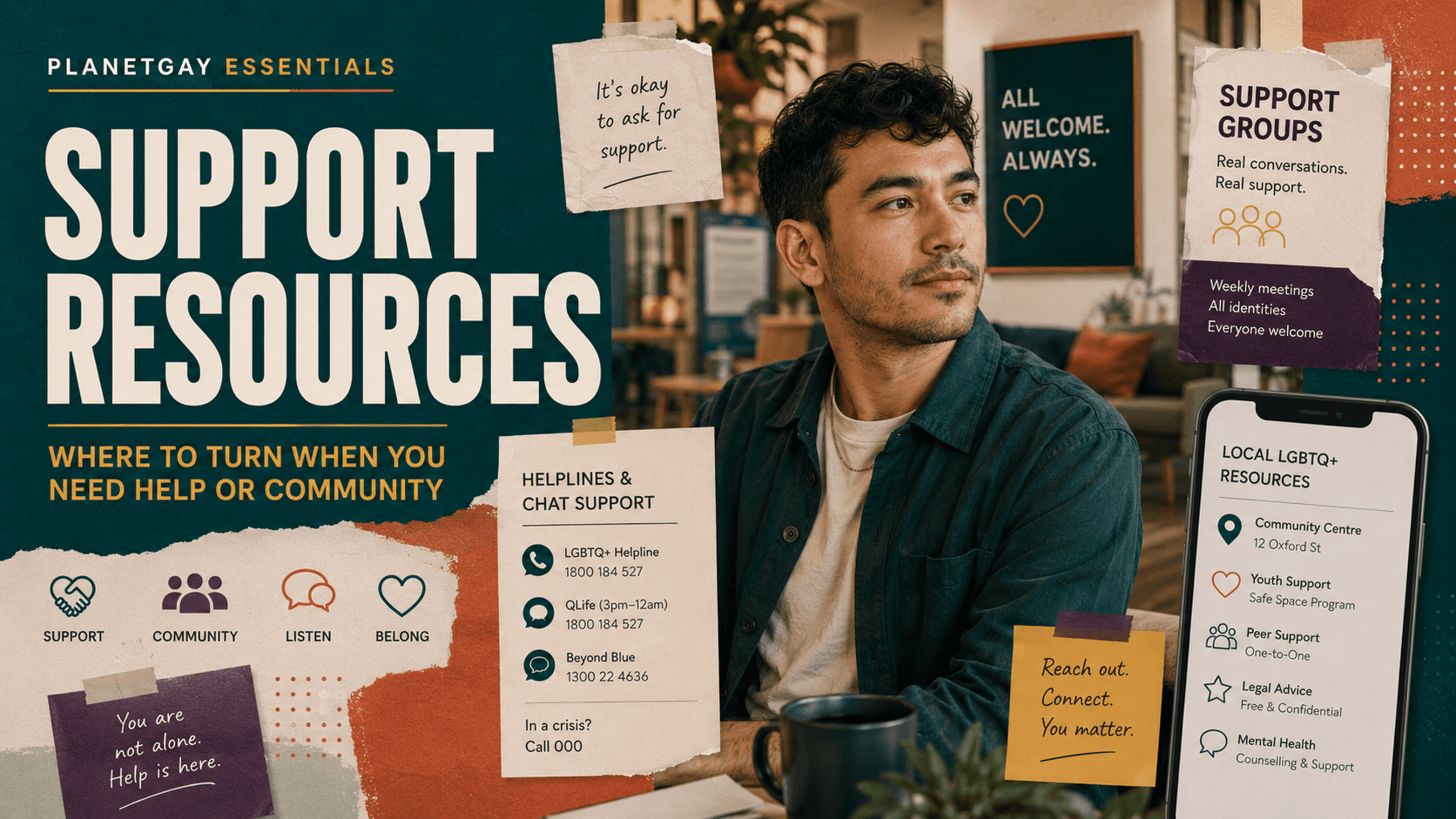
Social anxiety at a clinical level responds well to therapy, particularly cognitive behavioural approaches. If social situations regularly produce significant fear responses that you can't manage with practice and gradual exposure, speaking to a therapist — ideally one with experience of LGBTQ+ clients — is worth considering.
For milder social anxiety and low confidence, the evidence-based approach is the same: graduated exposure to social situations. Avoiding social situations consistently produces a decrease in confidence over time, not a restoration of it.